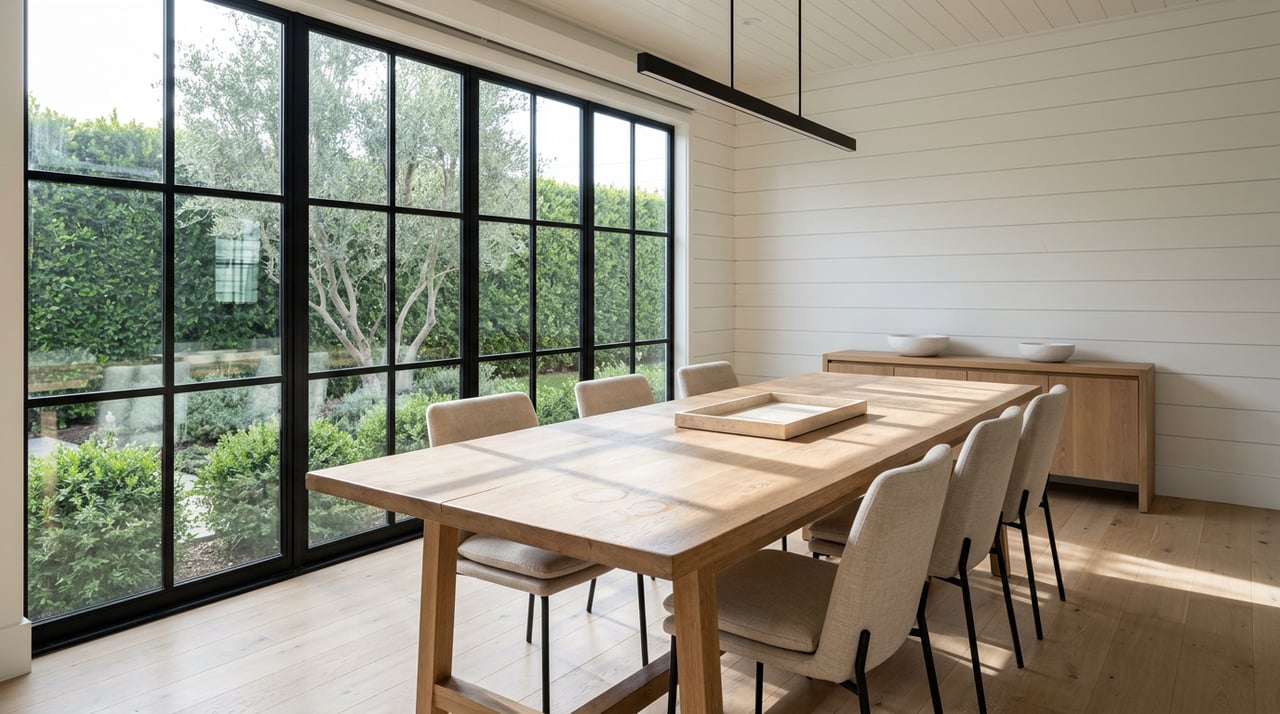
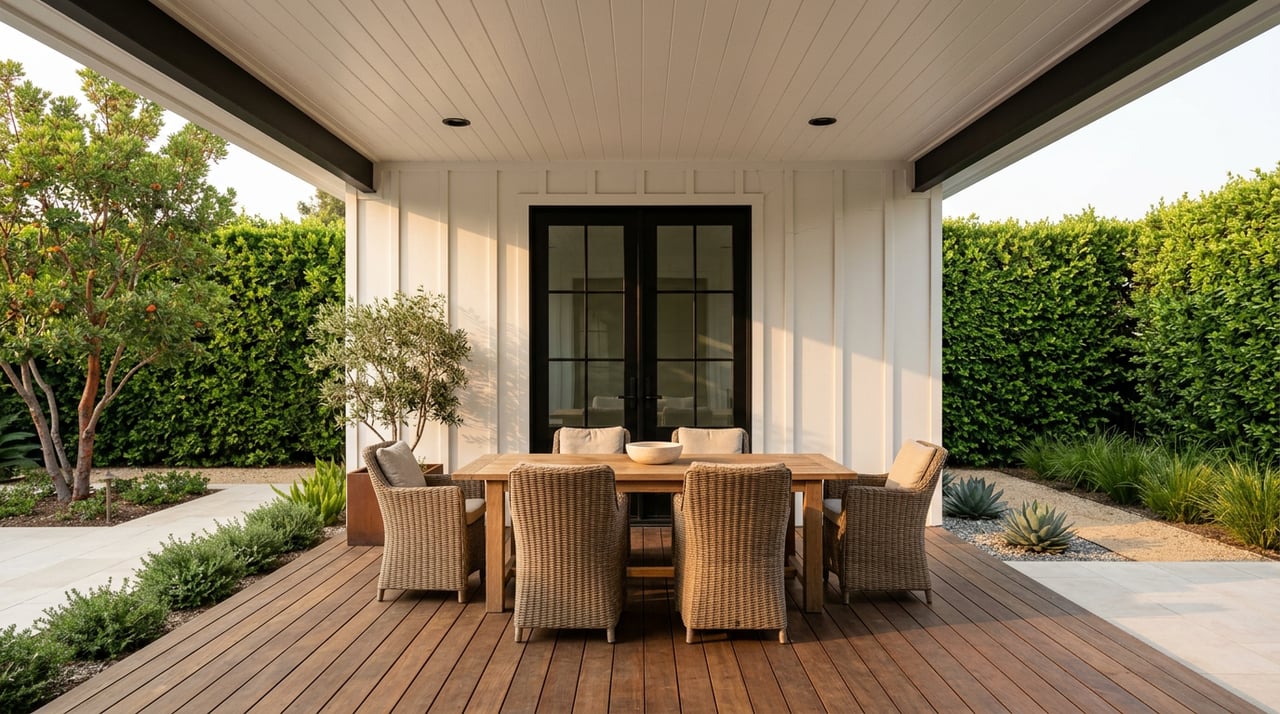
What if a few design-led choices could help your Newport Coast home show brighter, feel larger, and photograph like a magazine? Selling a luxury property here is about more than square footage. Buyers come for light, views, and seamless indoor-outdoor living. In this guide, you’ll learn how to stage with intention, choose materials that fit a coastal climate, and plan premium photography that tells a compelling story. Let’s dive in.
Why design-led staging matters in Newport Coast
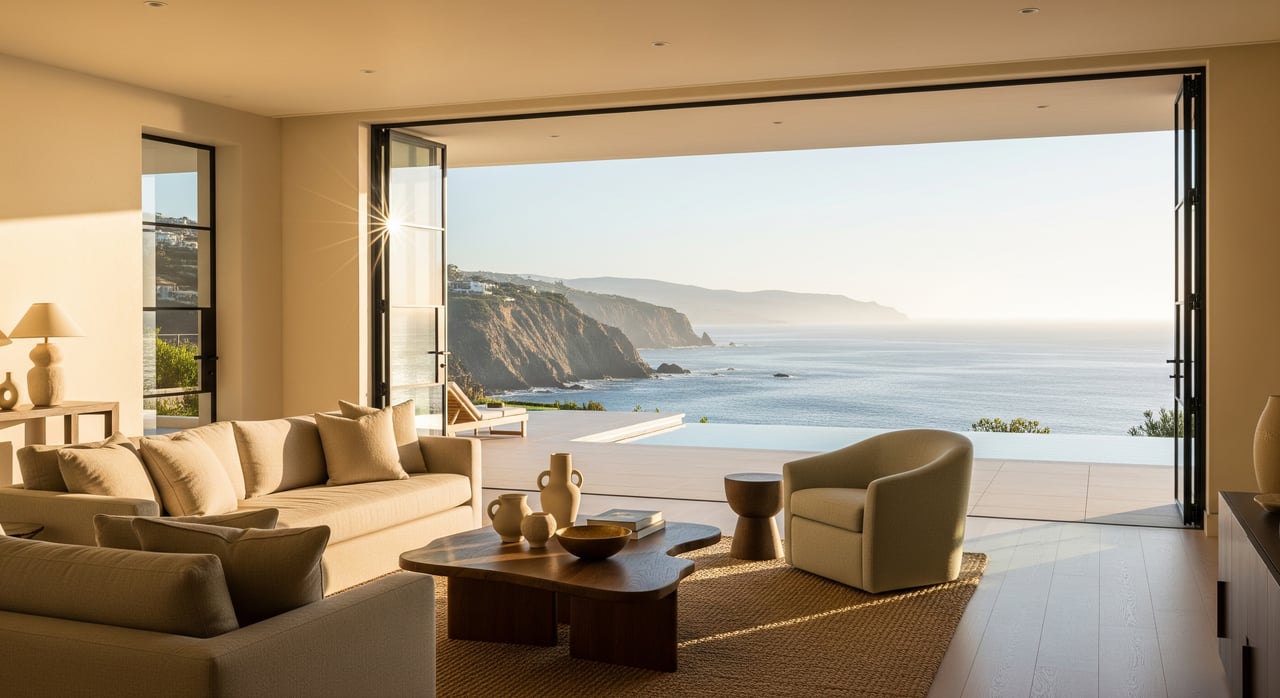
Newport Coast buyers expect a lifestyle. They look for turnkey spaces that celebrate ocean or canyon views and flow effortlessly to terraces and pools. Your staging should focus on:
- Indoor-outdoor living that feels seamless.
- Abundant natural light and framed vistas.
- High-end finishes that read as move-in ready.
- Generous rooms that still feel intimate and livable.
- Durable materials that handle marine air and sun.
When your staging decisions reflect these priorities, you position your listing to compete at the top of its price band.
Light-first staging that showcases views
Harness daylight
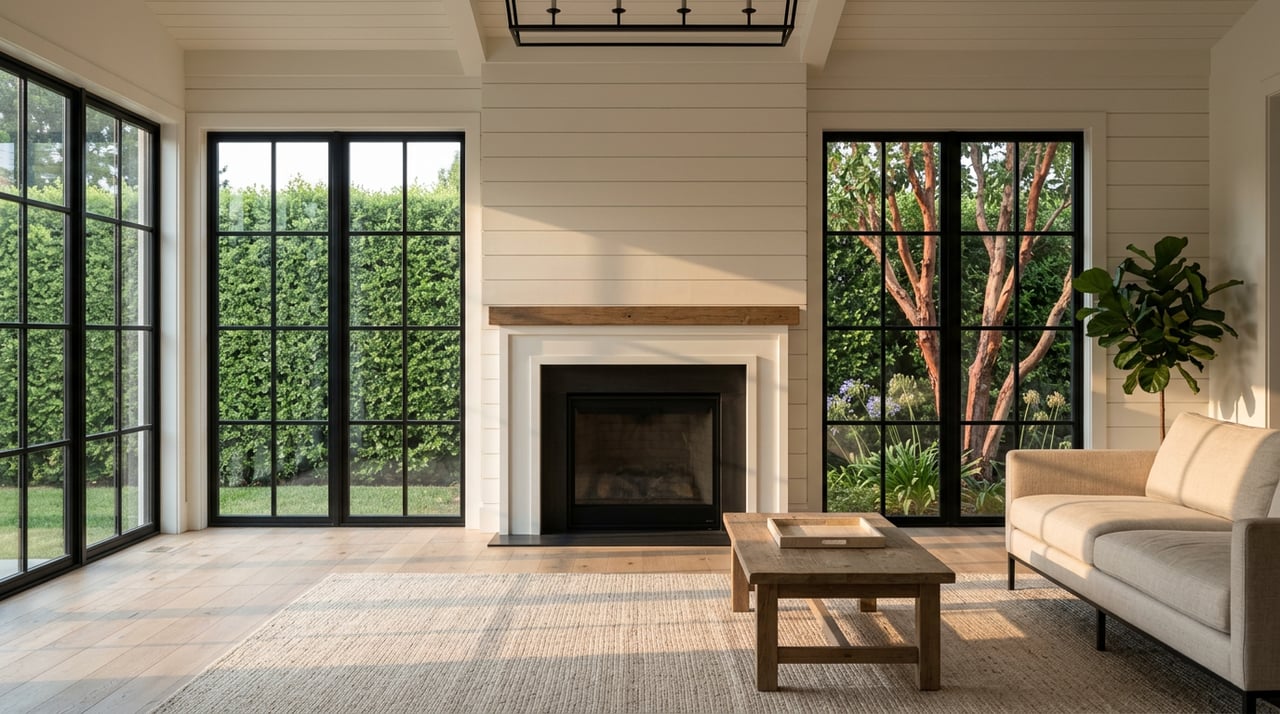
- Remove heavy window coverings or swap for light-filtering sheers and low-profile motorized blinds. The goal is clear sightlines and soft control of glare.
- Clean all glass, mirrors, and sliders. Trim landscaping that blocks key views.
- Coordinate bulb color temperature at warm-white (about 2700–3000K) so rooms read consistent and inviting in photos.
Layer lighting for mood
- Use ambient, task, and accent lighting in every room. Think recessed lights plus a reading lamp and an art light.
- Aim lamps and arrange seating to highlight the view, not reflections on glass or counters.
Prep for twilight
- Plan a twilight shoot with interior and exterior lights on to show depth and the indoor-outdoor connection.
- Ensure landscape, pool, and spa lights work and match the overall color temperature.
Materials that read coastal-luxe
Choose a neutral, natural, and elevated palette that photographs beautifully.
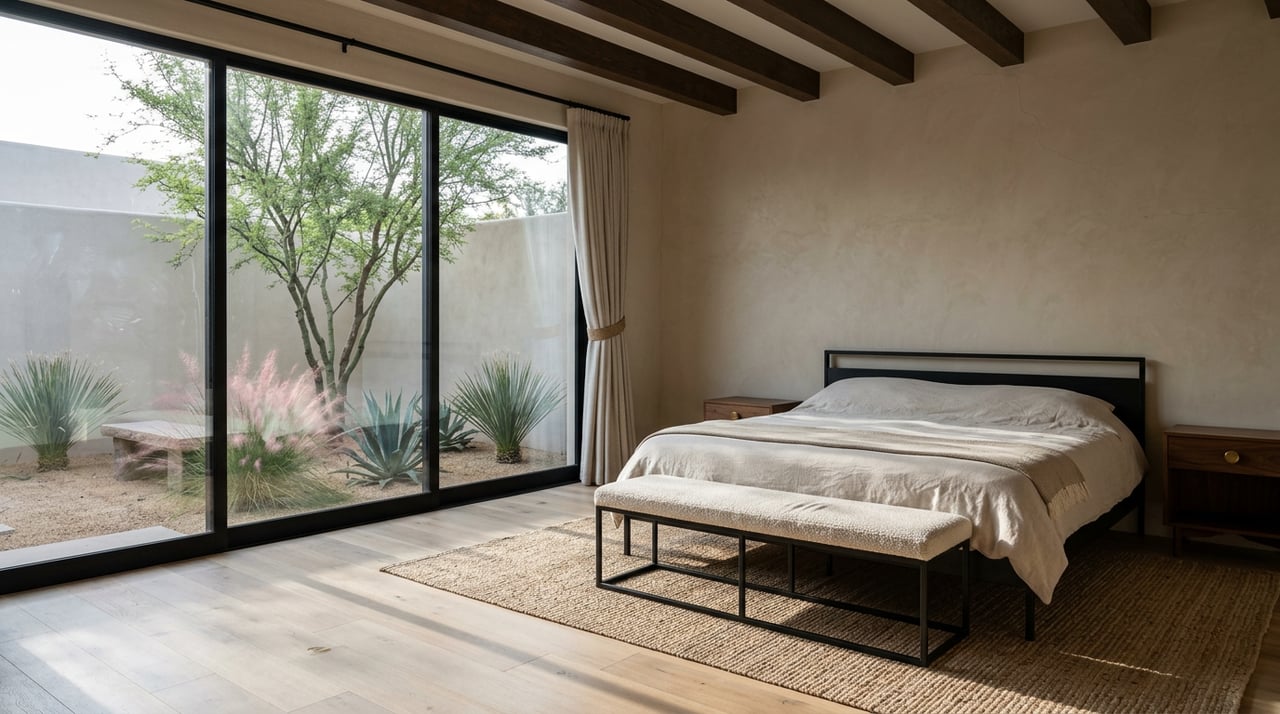
- Textiles: soft linens, cottons, bouclé, and wool create tactile warmth.
- Woods: light to medium tones like bleached oak or ash feel modern coastal.
- Stone: honed or matte finishes in kitchens and baths reduce glare and look refined.
- Metals: warm brass, brushed nickel, or aged bronze add contrast. For exterior pieces, choose marine-grade or powder-coated finishes.
- Outdoor fabrics: performance textiles rated for salt air and UV keep patios looking crisp.
Color approach:
- Base: warm whites, soft beiges, pale greys.
- Accents: ocean-leaning blues, sea-glass greens, and subtle terracotta or warm metallics. Keep accents quiet so they do not compete with the view.
Scale and space planning for impact
Right-size furniture and rugs
- Large rooms need groupings that create human scale. Undersized pieces make spaces feel empty.
- Anchor seating areas with rugs that hold front legs of sofas and chairs. In dining areas, ensure chairs stay on the rug when pulled out.
Create livable vignettes
- Carve out a reading nook, a bar setup, or a breakfast spot with a view. Each mini-moment should be clear in photos and in person.
Keep it curated
- Use fewer, higher-quality pieces over many small items. Luxury buyers respond to restraint and intention.
Art and accessories that elevate, not distract
Scale and subject
- Opt for large-scale art on big walls. Abstracts or coastal landscapes work well.
- In rooms with ocean views, keep art subdued so the window remains the focal point.
Purposeful styling
- Style with coffee table books, sculptural objects, and refined tableware. Remove personal photos and small clutter.
- Layer texture with throws and pillows. Keep patterns minimal to avoid visual noise on camera.
Coastal curb appeal and outdoor living
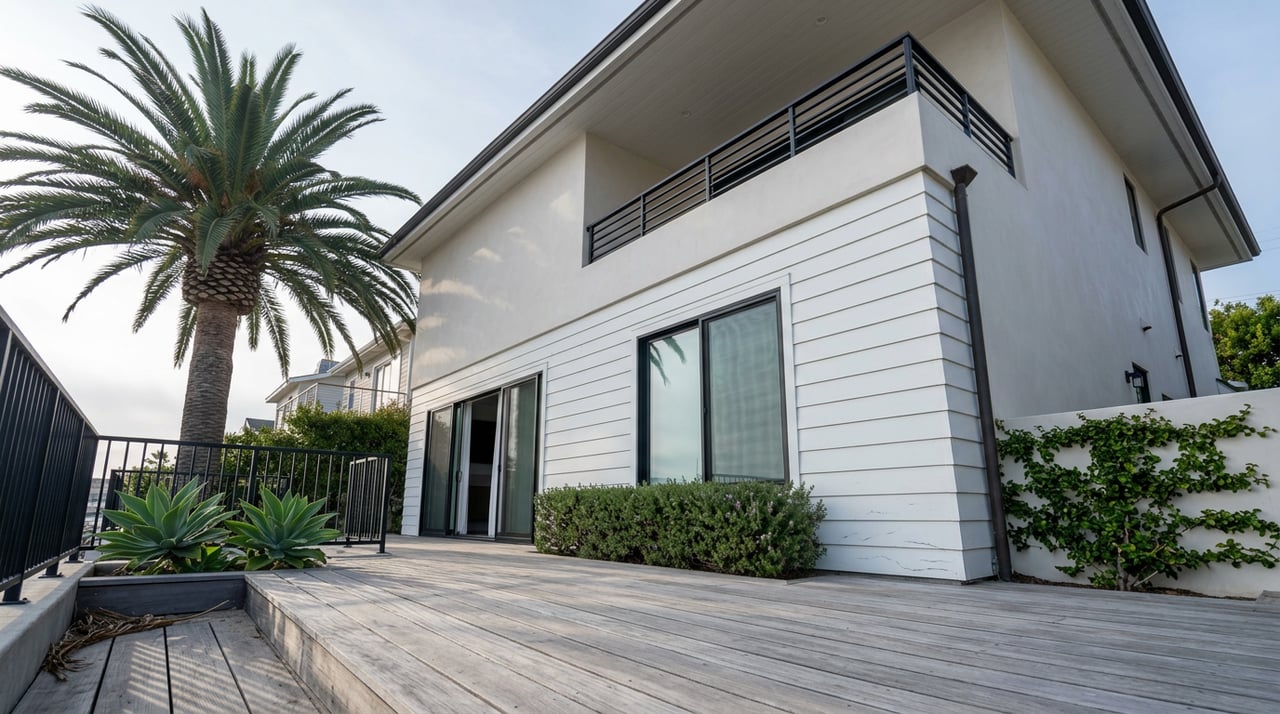
First impressions start at the approach.
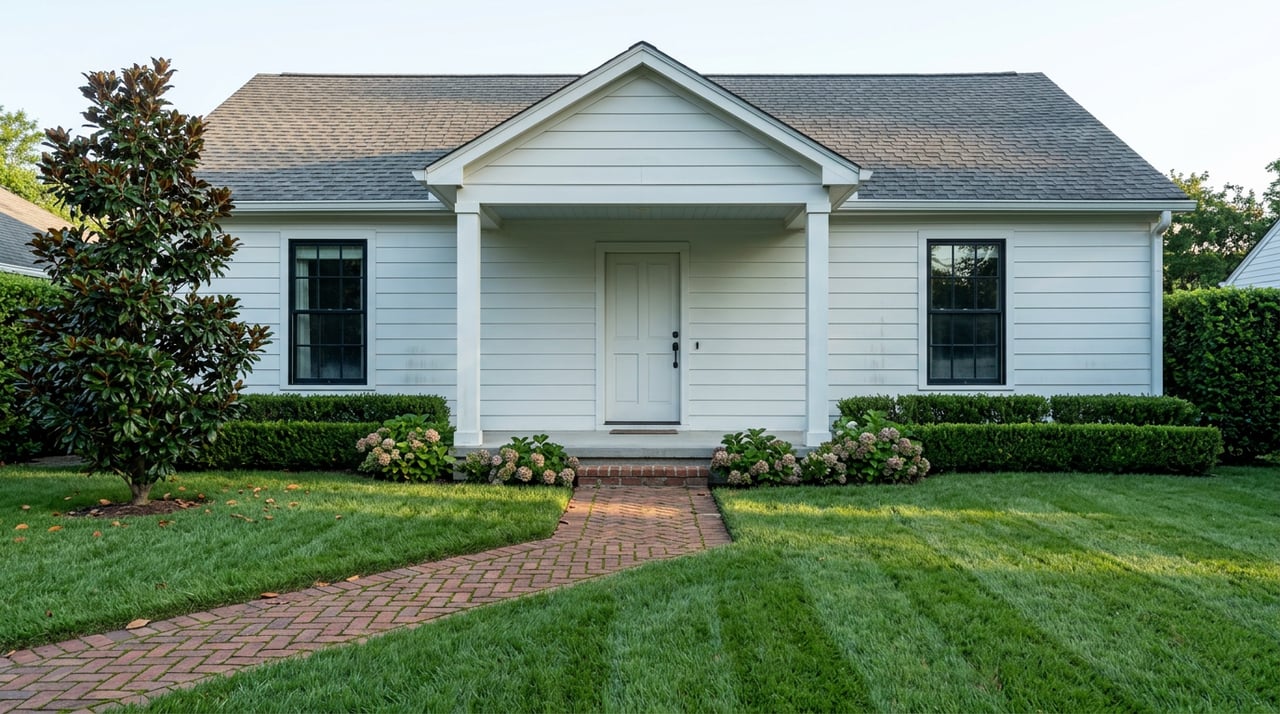
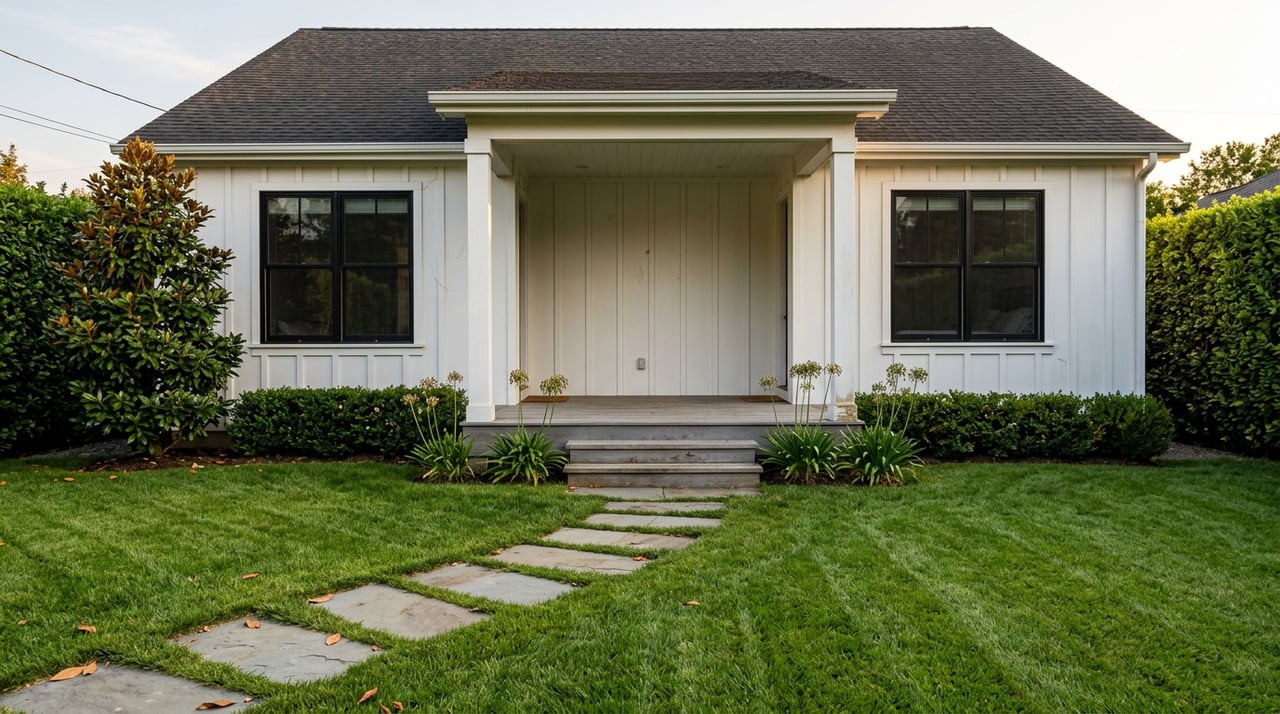
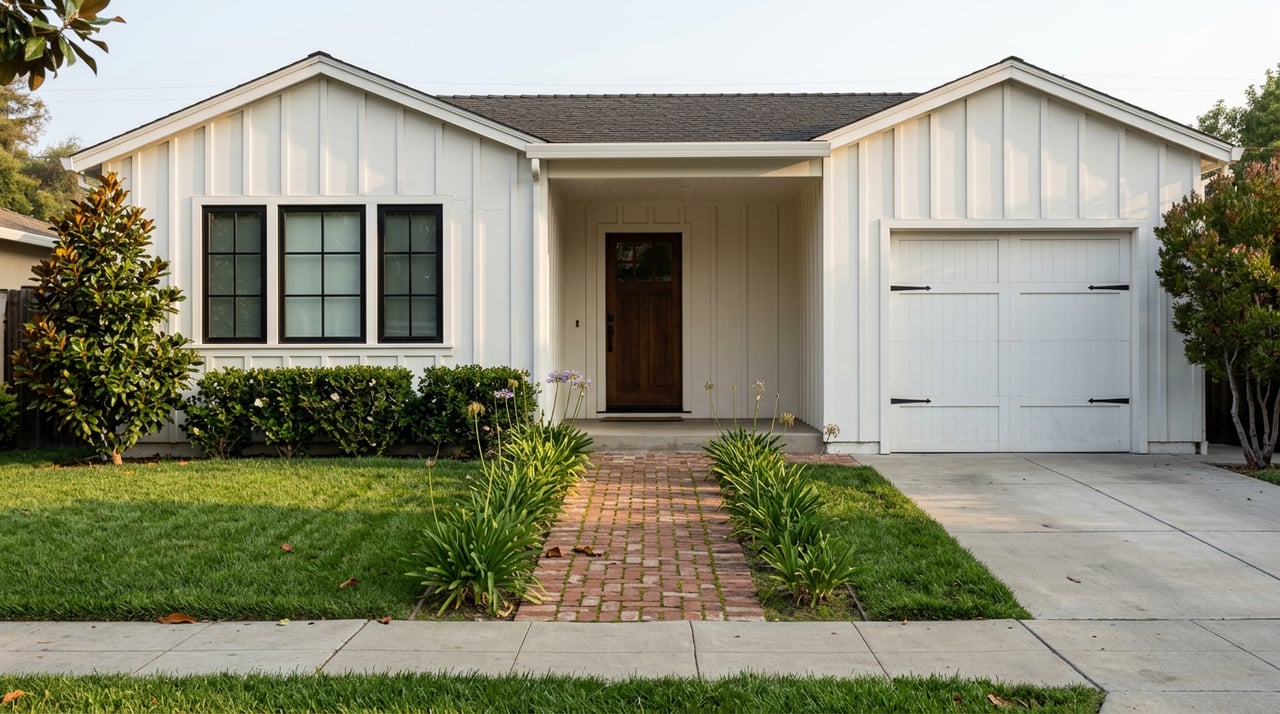
- Entry: clear sightlines to the door, scaled planters, clean hardware, and working lights.
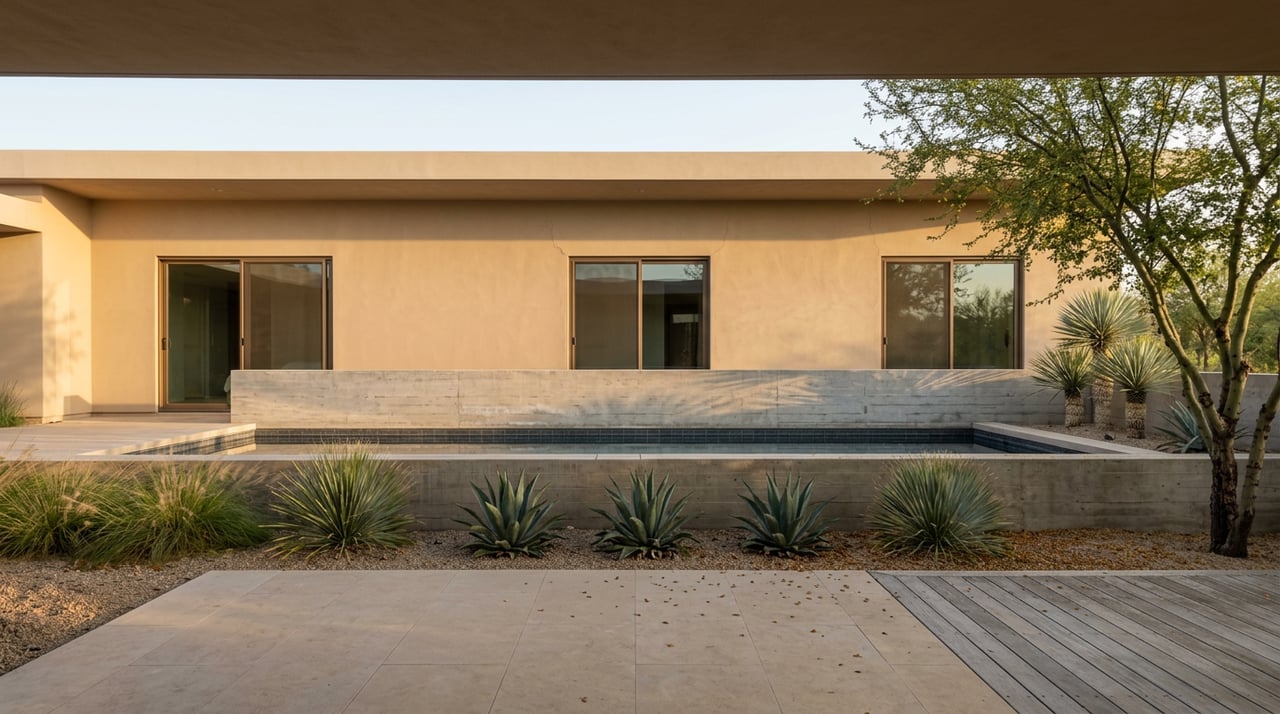
- Landscaping: drought-tolerant plants like ornamental grasses, succulents, and coastal natives that frame paths and preserve views.
- Outdoor living: stage dining, lounging, and a fire-pit area to show multiple zones. Add plush towels and greenery.
- Exterior refresh: power wash surfaces, clean gutters, and address any weathered trim. Choose exterior furnishings and finishes rated for salt-spray conditions.
Photography that sells the story
Choose coastal-experienced talent
- Work with a photographer skilled in luxury coastal real estate. Expect expertise in managing light, drone, twilight, and refined post-production.
- Align on deliverables like high-resolution stills, twilight images, aerials, floor plans, panoramic view frames, and a 3D tour for higher-end listings.
Time shoots for the best light
- Golden hour and blue hour elevate exteriors and view shots. Plan exteriors 20–40 minutes before and after sunset.
- Shoot interiors when natural light is at its best. Overcast days can be ideal for even interior exposures.
Must-have shots
- Front exterior and approach, day and dusk.
- Drone angles that show orientation to coastline and community context.
- Main living spaces with the view framed intentionally.
- Kitchen hero, primary suite, spa-like bath, and all outdoor rooms.
- Lifestyle vignettes that communicate function and scale.
Drone, 3D tours, and video
- Drone can reveal lot position, views, and proximity to amenities. Confirm FAA Part 107 compliance and any local restrictions.
- 3D tours help remote or international buyers evaluate flow.
- Short cinematic clips increase engagement on social platforms.
Post-processing standards
- Keep edits natural. Correct exposure, perspective, and color balance without over-saturation.
- If using virtual staging for an unfurnished space, disclose it clearly and ensure scale and finishes align with the home.
Logistics and timeline
- Pre-list walk-through and plan: 1–3 days to align on strategy.
- Sourcing and installation: 3–10 business days for local inventory, longer for custom rentals.
- Photography: schedule after staging and around ideal light; allow flexibility for weather.
- De-installation: coordinate after acceptance or closing, often on monthly rental cycles.
- For occupied homes, plan a packing and storage plan for personal items to minimize disruption.
HOA, access, and drone compliance
- Many Newport Coast properties sit in gated communities. Review HOA rules for signage, open-house parking, and vendor access before you schedule.
- Confirm drone policies at the community and city level in addition to FAA requirements.
- Coordinate with property management early so photographers and stagers have smooth access and parking.
Investment and ROI framing
- Staging costs vary by size, scope, and rental duration. Luxury staging often uses higher-end rentals and skilled installation.
- Premium photography can include multi-day shoots, drone, video, and floor plans. Fees reflect the experience and deliverables.
- Research shows professionally staged homes tend to show better and can sell faster. In the luxury tier, visual presentation reduces uncertainty and supports top-end pricing strategies. Compare quotes and review neighborhood comps to justify spend.
What success looks like: KPIs to track
- Pre-list goals: set your target price band, expected days on market based on comps, and media plan with the number of hero images, aerials, and a 3D tour if appropriate.
- Post-list metrics: track days on market, number of showings and virtual-tour views, percent of list price achieved, and buyer-agent feedback on presentation.
Quick staging prep checklists
Pre-shoot checklist:
- Clean and declutter all surfaces. Remove personal photos.
- Match light bulbs. Confirm landscape lighting works.
- Set curtains and blinds to maximize views.
- Clean pool and spa. Stage towels and outdoor props.
- Place art and large accessories. Remove small reflective items.
Day-of-shoot checklist:
- Reserve parking and access for the team.
- Turn on interior and exterior lights at least 15 minutes before dusk shots.
- Maintain staged vignettes. Keep windows and doors spotless.
- Remove cars from the driveway unless planned for the shot.
- Assign a point person to oversee adjustments and final sign-off.
Ready to sell with design-led staging?
If you want your Newport Coast home to shine, focus on light, scale, coastal materials, and a photography plan that frames the lifestyle. Our boutique team coordinates every detail, from pre-list walk-throughs to premium imagery, so your property shows beautifully online and in person. For hands-on, design-forward guidance, connect with Julianne Pierzak.
FAQs
What is design-led staging for Newport Coast luxury homes?
- It is a staging approach that prioritizes light, views, indoor-outdoor flow, proportion, and coastal-durable materials so the home feels turnkey and photographs at a luxury level.
How long does Newport Coast staging usually take from planning to photos?
- Expect 1–3 days for the plan, 3–10 business days for sourcing and install, then photography scheduled around light and weather.
What materials hold up best to marine air for outdoor staging?
- Choose powder-coated or marine-grade metals, solution-dyed performance fabrics, and coastal-appropriate finishes designed for salt and UV exposure.
Can I stage an occupied home in Newport Coast without major disruption?
- Yes. Create a plan to store personal items, edit furnishings for scale, and schedule a focused install window before photography and showings.
What shots should I prioritize for a Newport Coast listing?
- Hero exteriors day and dusk, drone for coastal context, main living with framed views, kitchen hero, primary suite and bath, outdoor rooms, and selected lifestyle vignettes.
Are there special rules for drone photography in gated Newport Coast communities?
- Often yes. Check HOA and city guidelines in addition to FAA rules, and use a licensed, insured operator who follows community access protocols.