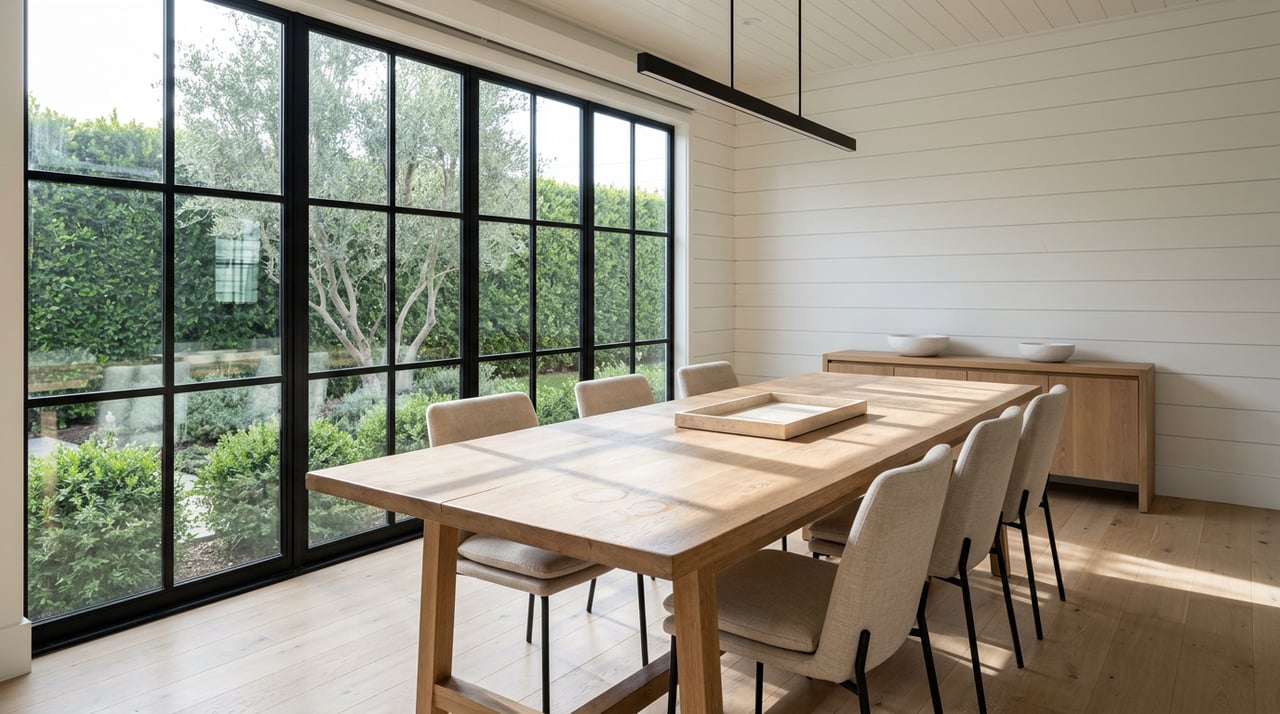
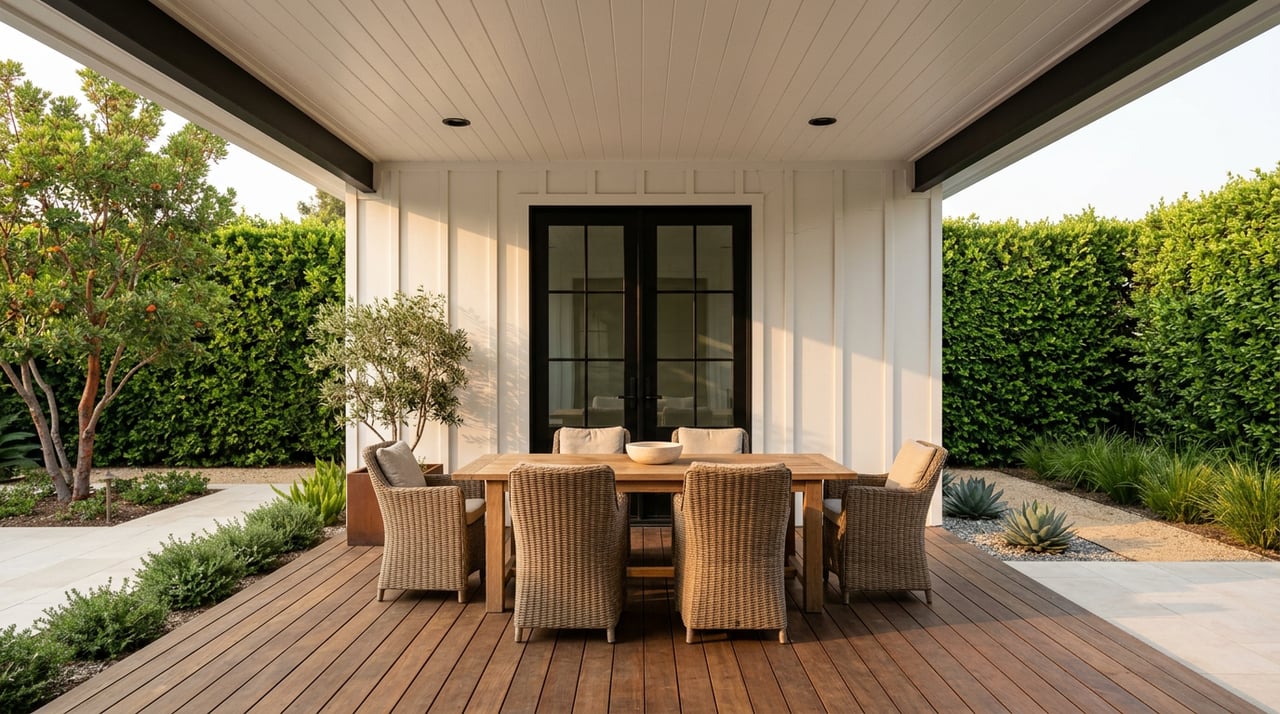
You can tell a lot about a Corona del Mar home from a quick glance at the roofline, windows, and front walk. If you have been drawn to the village’s sunny porches, glassy modern facades, or classic stucco villas, you are already reading the story each style tells about how the home lives and what buyers value here. This guide helps you spot the dominant styles, understand typical floor plans, and choose updates that boost appeal and value in today’s market. Let’s dive in.
Why style matters in Corona del Mar
Corona del Mar blends blufftop beaches, a walkable village core, and distinct enclaves where lot orientation and view corridors shape design choices. The neighborhood includes the Flower Streets, Cameo Shores, Cameo Highlands, and Harbor View Hills, which is why you see both classic cottages and sleek, view-forward builds on nearby blocks. For a quick overview of the setting that influences design, review the City’s profile of Newport Beach and Corona del Mar’s community context in the About the Community page.
The City is actively studying Corona del Mar’s commercial corridor and has explored cottage-preservation measures. These efforts can affect what you can legally preserve, remodel, or expand, especially in small-lot village areas. For current status and case updates, check the Corona del Mar Commercial Corridor Study and local reporting on the cottage preservation code amendment.
Community groups also shape what buyers expect at the curb. The Corona del Mar Residents Association keeps historic resources and walking-tour materials that reflect village priorities. If you are considering a cottage refresh or preservation project, the CdMRA site is a helpful starting point.
Quick ID guide to CdM styles
Use these at-a-glance cues to identify the four predominant architectural families in Corona del Mar. Many homes blend elements, so focus on the big moves: roof form, glazing, massing, and how indoor spaces meet the outdoors.
Coastal contemporary
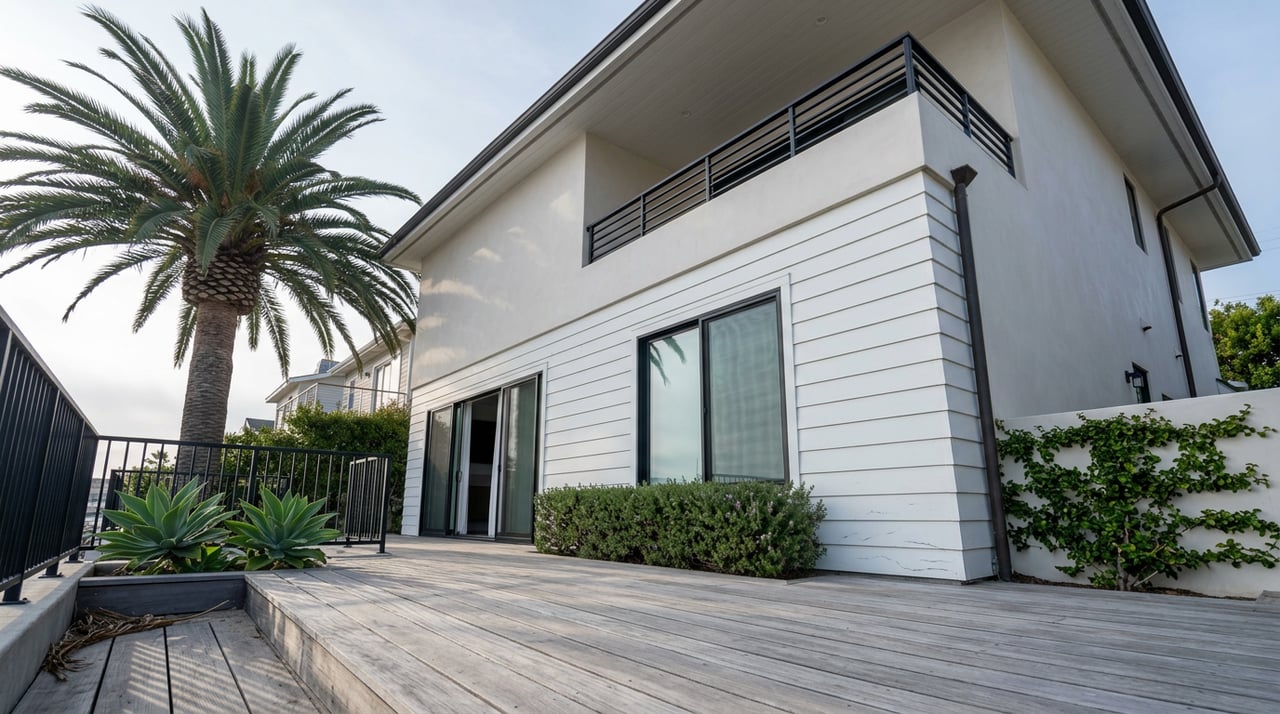
- Visual cues: Clean, geometric massing with flat or low-pitch rooflines, broad glass openings, and glass railings. Large terraces or rooftop decks maximize light and views. Exterior palettes favor pale neutrals, natural wood, metal, and stone. See local builder portfolios that capture this look in the area, such as Nicholson Companies’ projects.
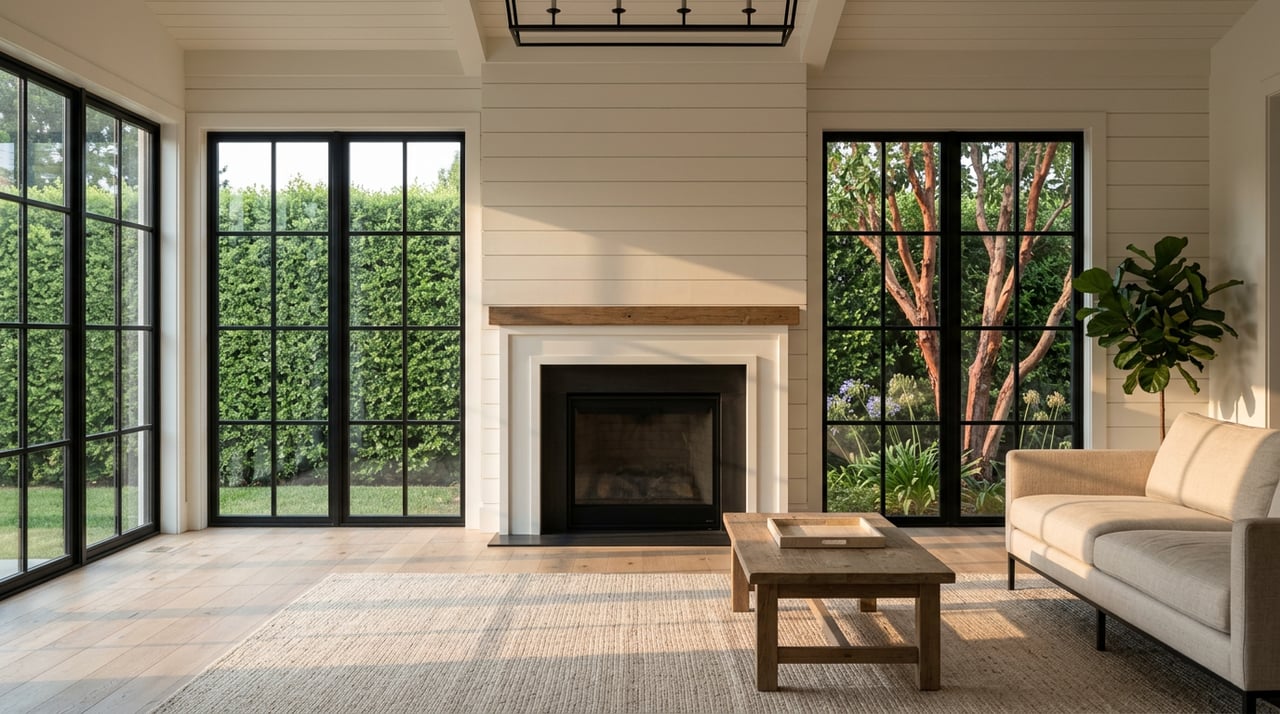
- Plan and layout: Open-plan great rooms centered on the kitchen with large sliding or folding glass walls that erase the line between inside and out. On sloped or bluff lots, garages and service areas often tuck into the lower level, with living spaces stacked to capture sightlines.
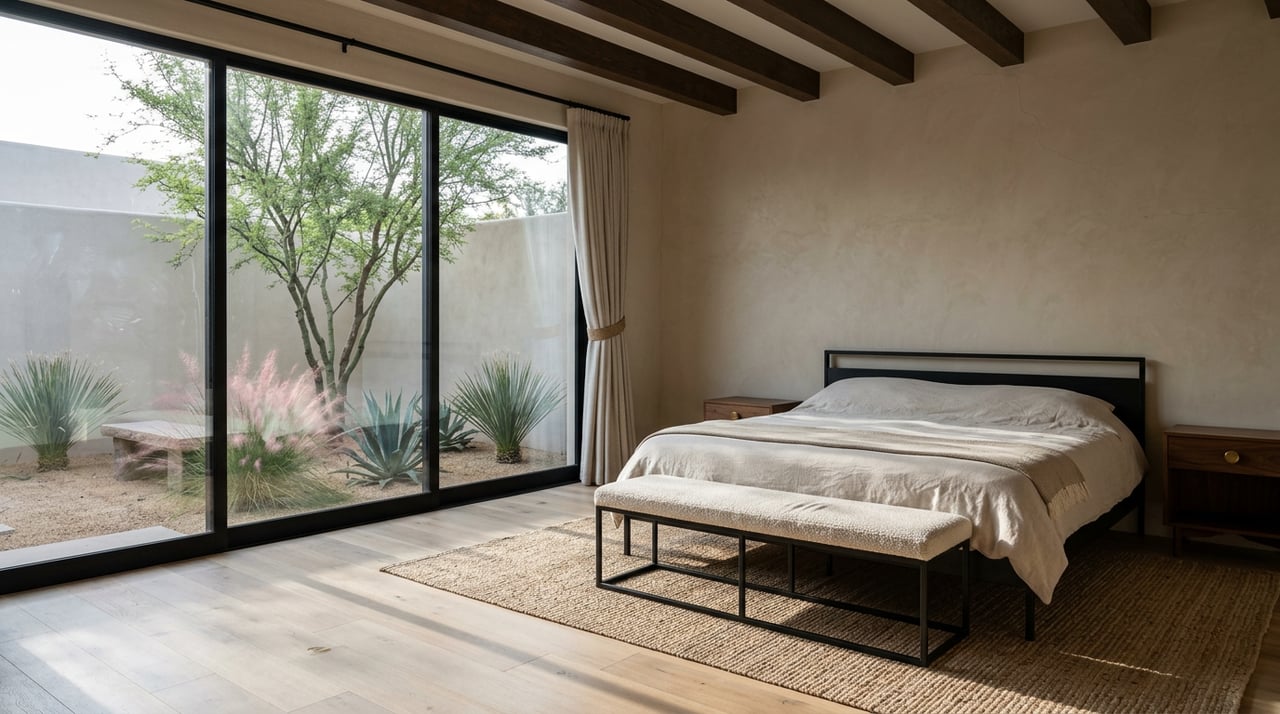
- Finishes and curb appeal: White oak or light hardwood floors, plaster or painted millwork, quartzite or marble accents, and integrated appliance packages. Minimalist, drought-tolerant landscaping, horizontal wood gates, and simplified address graphics reinforce the calm, modern vibe.
- Value signals: Buyers pay premiums for seamless indoor-outdoor flow, modern systems, and designs that celebrate view corridors. Oceanfront and bluff-oriented moderns often set local top-tier prices, as illustrated in high-end builder portfolios.
Mediterranean and Spanish-influenced
- Visual cues: Smooth stucco, terra-cotta tile roofs, arches, and wrought-iron details. Higher-end Tuscan variations feature stone accents and heavy timber.
- Plan and layout: Homes often center on an inward-facing courtyard or loggia for year-round entertaining. Multiple levels are common on larger lots, with formal rooms opening to private outdoor spaces.
- Finishes and curb appeal: Travertine or honed stone floors, plaster walls, substantial wood doors, custom ironwork, and decorative tile. A terra-cotta roofline, arched gateway, and Mediterranean plant palette signal the style. For an example of craftsmanship in the area, browse Corbin Reeves Construction’s Corona del Mar work.
- Value signals: This is a long-standing coastal luxury language in Southern California. On suitably sized lots, these villas remain desirable for buyers who prefer traditional elegance and formal indoor-outdoor entertaining.
Traditional, Craftsman, and modern traditional
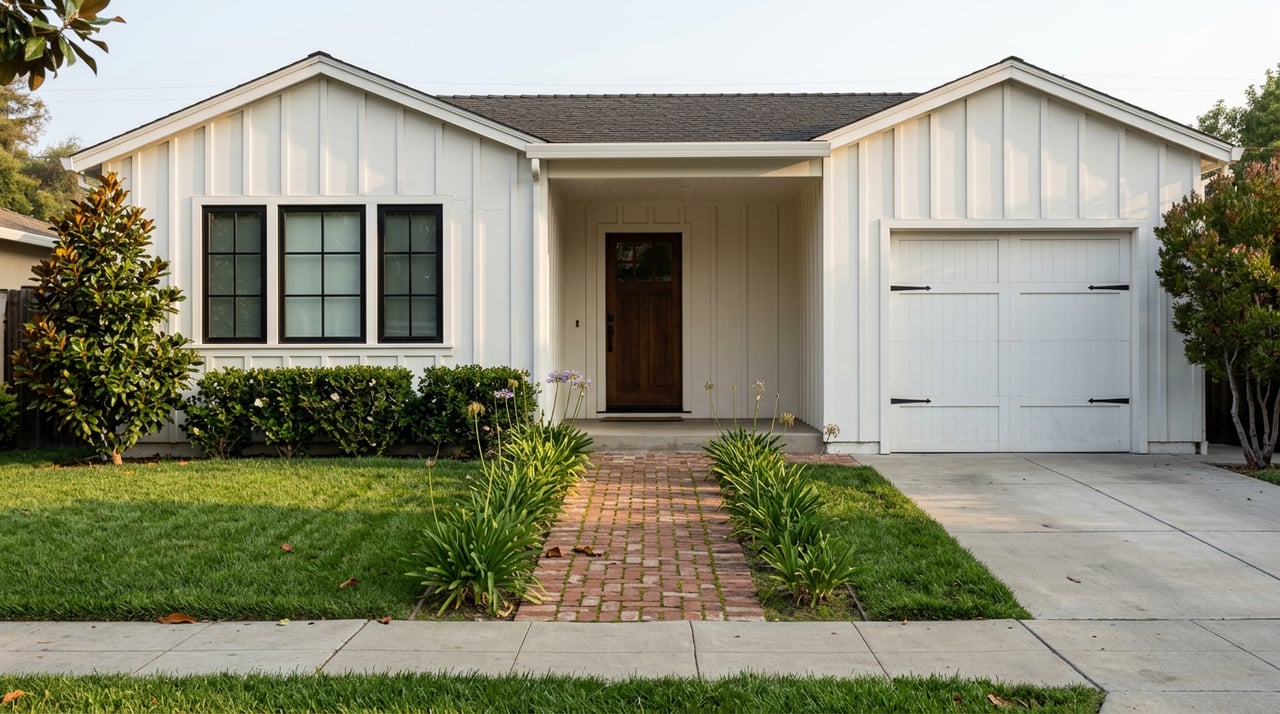
- Visual cues: Gabled or mixed-gable roof forms, shingle or clapboard siding, and detailed millwork at porches and eaves. Craftsman influences show up in tapered columns, exposed rafter tails, and stone or brick bases.
- Plan and layout: Original plans often had defined rooms like a parlor or formal dining, though many have been opened for contemporary living with a kitchen-family great room. Built-ins and coffered ceilings are common selling points.
- Finishes and curb appeal: Warm wood trim, porch stone piers, and layered plantings that soften the street edge. Modern traditional hybrids keep classic proportions but simplify lines and materials.
Village cottages
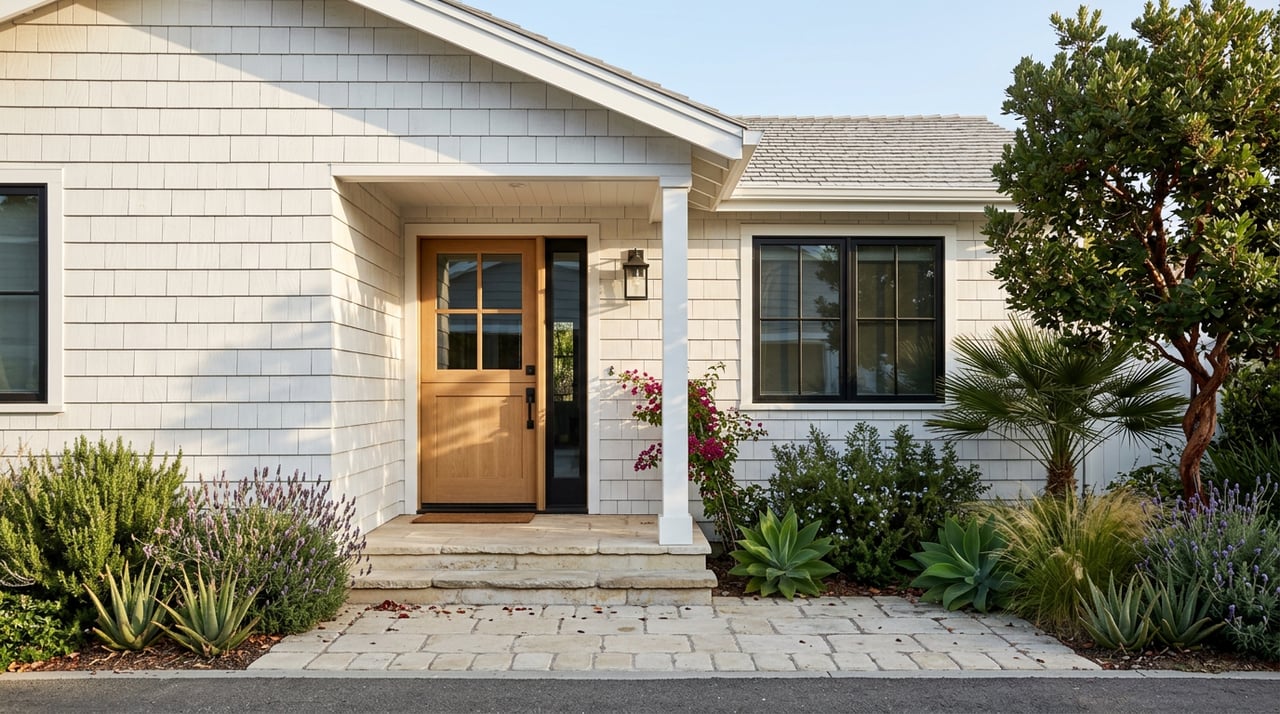
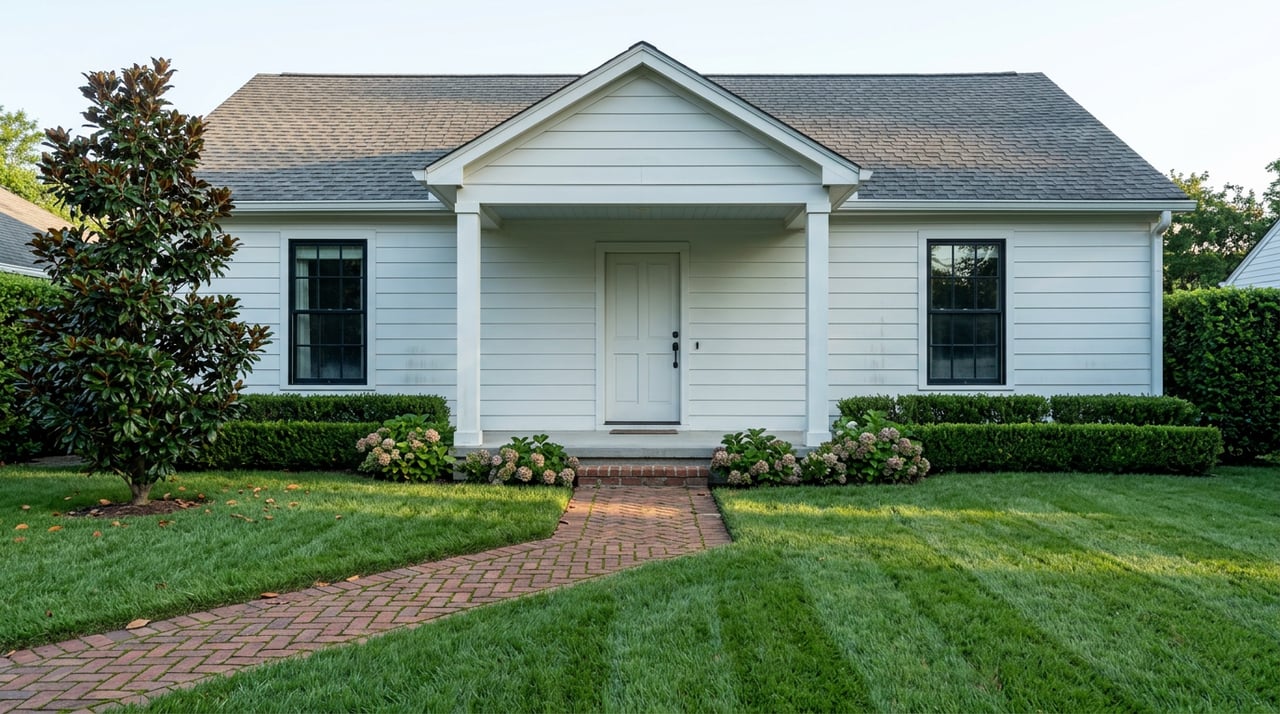
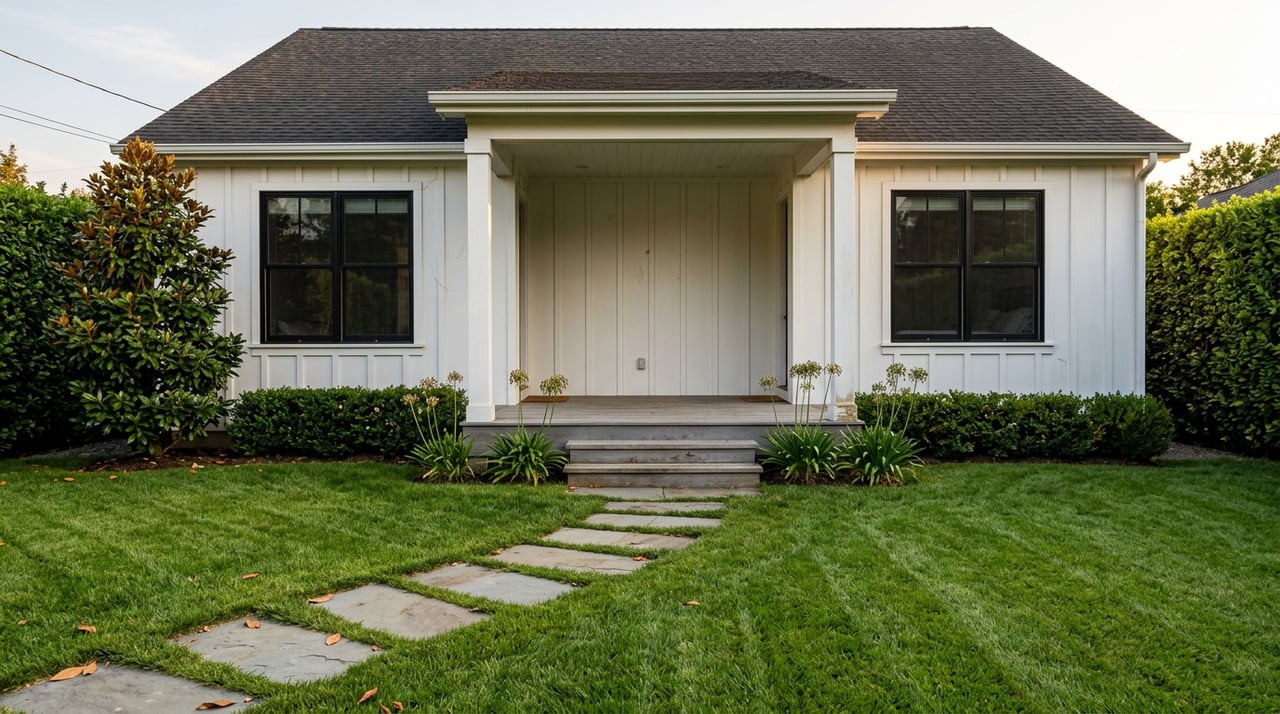
- Visual cues: Small footprints and simple, human-scale forms. Look for steep gables or simple roofs, wood shingles or clapboard, and pedestrian-first front porches on narrow, street-facing lots. The Flower Streets are the prime example of this stock, highlighted by the CdMRA.
- Plan and layout: Efficient plans with modest public rooms. Many cottages have careful updates to kitchens and baths while preserving the exterior envelope. Additions or partial second stories are common to gain livable space while keeping cottage character. The City has explored a preservation path that encourages retaining historic scale, reflected in discussion of the cottage preservation amendment.
- Finishes and curb appeal: Painted shingles or clapboard, picket-scale fencing or low hedges, abundant seasonal plantings, and scale-appropriate stoops and porches.
- Value signals: Walkability and character drive demand. Well-maintained cottages in the Flower Streets can command premiums for lifestyle and scale. On constrained lots, thoughtful rebuilds can also reach very high price points.
Floor plan patterns you will see
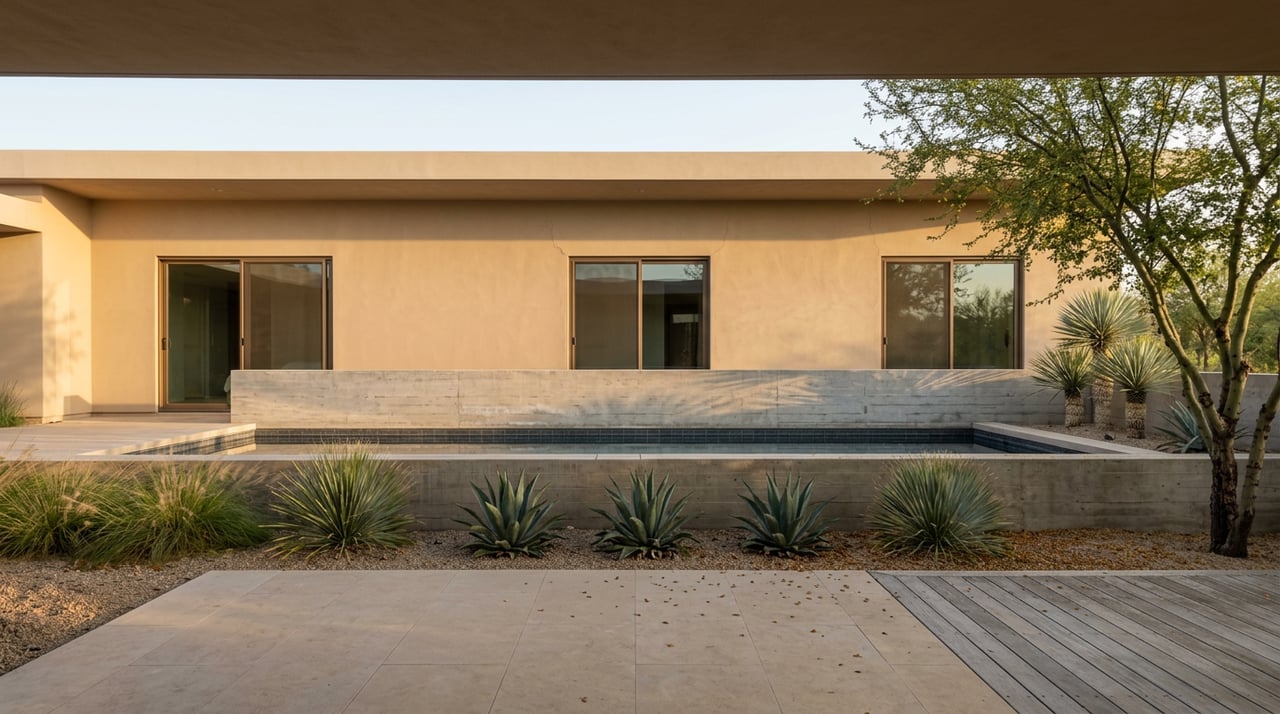
- Single-level oceanfront living: In view-oriented enclaves, many homes place main living spaces along the ocean side with bedrooms toward the street or courtyard. Expect wide glass walls, pool courts, and breezy indoor-outdoor circulation.
- Terraced and stacked plans on slopes: Where lots step down the hill, designs often stack living levels and use day-lit lower floors for guest suites, gyms, or garages. Rooftop decks are common to expand entertaining space without overwhelming the footprint.
- Compact village layouts: On narrow Flower Street lots, you will often find 1 to 2 bedrooms in the original footprint, with smart additions or partial second stories. Successful updates keep the cottage scale and enhance functionality.
Curb appeal checklist by style
Use this quick pass on a photo or walk-by to decode style and condition.
- Coastal contemporary: Large glass walls, flush landscape with gravel and succulents, clean address graphics, rooftop or view decks, and hidden or simplified garage doors. The minimalist palette you see in local modern portfolios is a strong cue.
- Mediterranean: Terra-cotta roof, arched entry or windows, iron railings, decorative tile, and drought-tolerant Mediterranean plantings like olive and rosemary.
- Traditional or Craftsman: Defined front porch with tapered columns, stone piers, warm trim, and layered landscape beds that frame the path.
- Village cottage: Painted shingles or clapboard, low hedges and flower beds, a human-scale front stoop, and a direct pedestrian path toward the village.
Quick, high-impact updates
- Open sightlines to views by trimming overgrowth and reducing visual clutter at the front.
- Refresh the entry with a quality door, simple hardware, and warm, ambient lighting.
- Simplify plant palettes, add understated path lighting, and upgrade front hardscape.
- In cottage zones, retain original porch and scale elements rather than upsizing everything. The City’s design guidelines and plans are a useful reference for curb appeal and water-wise standards.
How design influences perceived value
In Corona del Mar, homes that clearly engage the coast often lead the market. Large glazed openings, terraces, and floor plans that orient daily life to light and views tend to command higher prices per square foot. Buyers also pay for functional flow, generous storage, and durable materials that perform in salt air.
Design that feels effortless matters too. Indoor-outdoor living, integrated kitchens, and thoughtful circulation create an emotional response during showings. Materials that resist corrosion and weathering help protect value long term, which is why you often see marine-grade glass and robust exterior claddings on ocean-exposed facades.
Upgrades that work in CdM
- Expand indoor-outdoor flow: Replace small openings with larger sliding or folding glass systems where structure and code allow.
- Elevate the kitchen: Add a large island, waterfall stone, and integrated refrigeration for a clean look that photographs beautifully.
- Create outdoor rooms: Add covered terraces, upgraded hardscape, or a well-detailed rooftop deck where permitted.
- Improve systems: Update windows and exterior assemblies for energy performance and coastal durability.
- Check the rules first: If you are in a small-lot cottage area or along the commercial corridor, review the City’s commercial corridor study and recent discussion of cottage preservation before scoping additions.
Smart next steps for buyers and sellers
- Read the lot: Orientation and slope predict the best floor plan strategy and where value upgrades will land.
- Verify view corridors: Neighboring massing and mature palms can shape what a new deck or window wall will actually see.
- Prioritize resilience: Choose corrosion-resistant metals, durable claddings, and high-performing glass for ocean-facing exposures. A coastal trends overview of durability priorities can help you plan finishes and systems, such as this look at coastal home features buyers want.
- Preserve human scale in the village: In cottage areas, buyers respond to porches, planting, and a welcoming front walk more than oversized garage doors.
- Engage local voices: For preservation programs and planning updates that affect scope and timelines, refer to the City’s project pages and the CdMRA.
When you are ready to position your home at the top of its style category, you need design-forward preparation, curated marketing, and local nuance at every step. For tailored guidance on styling, improvements, and a launch plan that reaches the right buyers, connect with Julianne Pierzak.
FAQs
What are the main home styles in Corona del Mar?
- You will most often see coastal contemporary, Mediterranean or Spanish-influenced, traditional or Craftsman, and classic village cottages, each with distinct cues in rooflines, glazing, and curb appeal.
How can I tell a true vintage cottage from a modern rebuild in CdM?
- Look for modest massing, smaller divided-light windows, and detached or rear garages on originals, then confirm with municipal records or historic surveys; local resources like the CdMRA can help you start the search.
Which design upgrades add the most value in Corona del Mar?
- Expand indoor-outdoor flow with larger openings, upgrade kitchens with integrated appliances and stone, and create covered outdoor rooms or rooftop decks where allowed, keeping coastal durability in mind.
Are there rules about preserving cottages or limiting additions in the village?
How do lot orientation and slope affect a CdM home’s design and value?
- Ocean-facing or terraced lots usually favor stacked plans with view-facing great rooms, terraces, and sometimes rooftop decks, while narrow village lots reward efficient footprints and preserved human scale.
What curb appeal changes make the biggest difference before listing in CdM?
- Clear sightlines, a refined entry door and lighting package, simplified drought-tolerant plantings, and quality hardscape are reliable wins; use the City’s design guidelines for water-wise and design-friendly ideas.