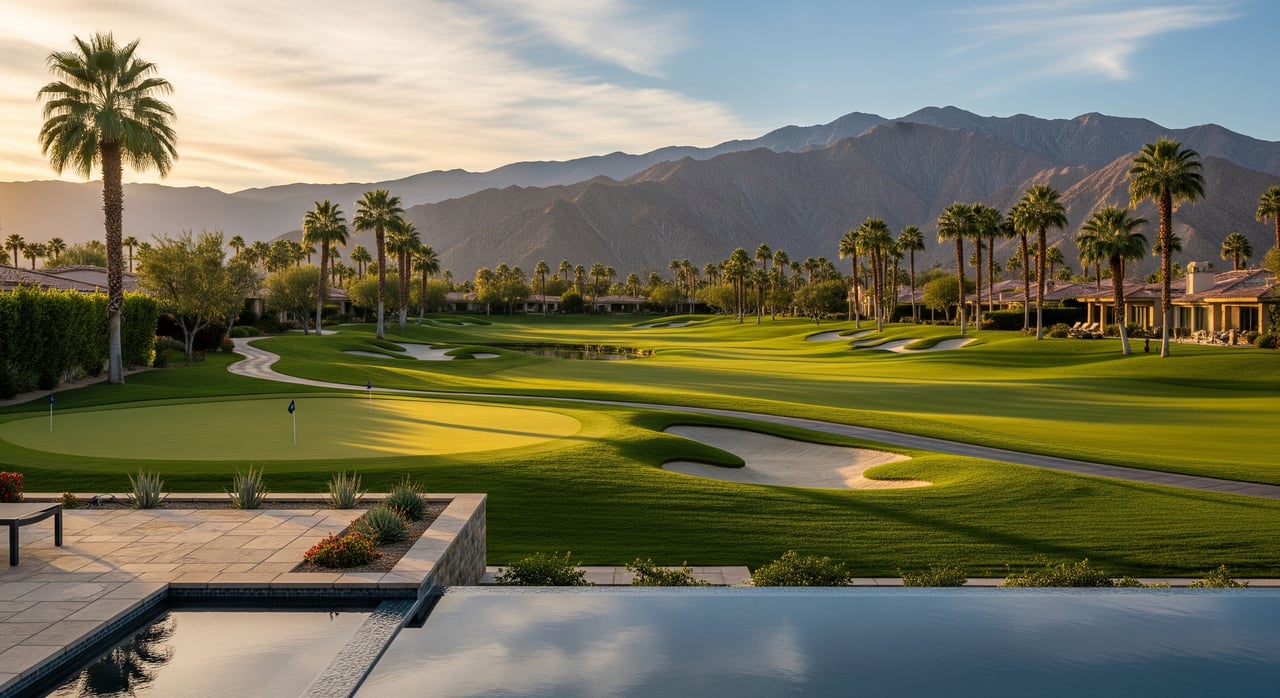
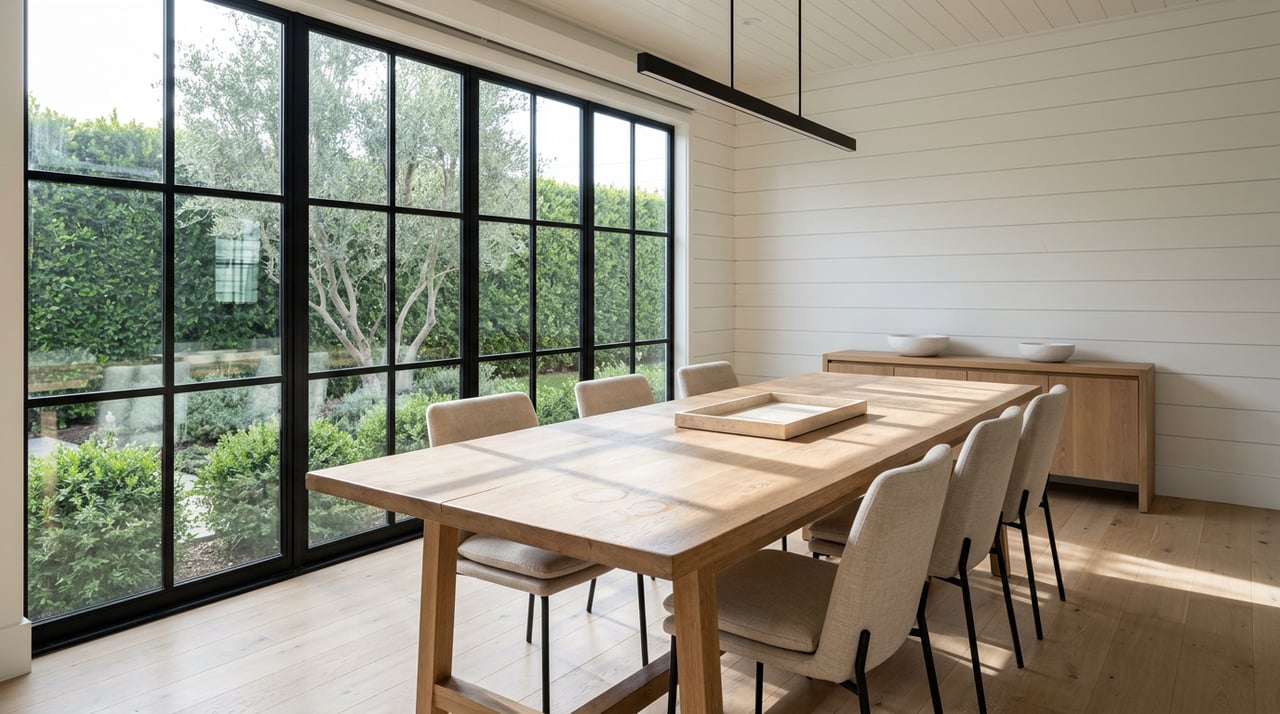
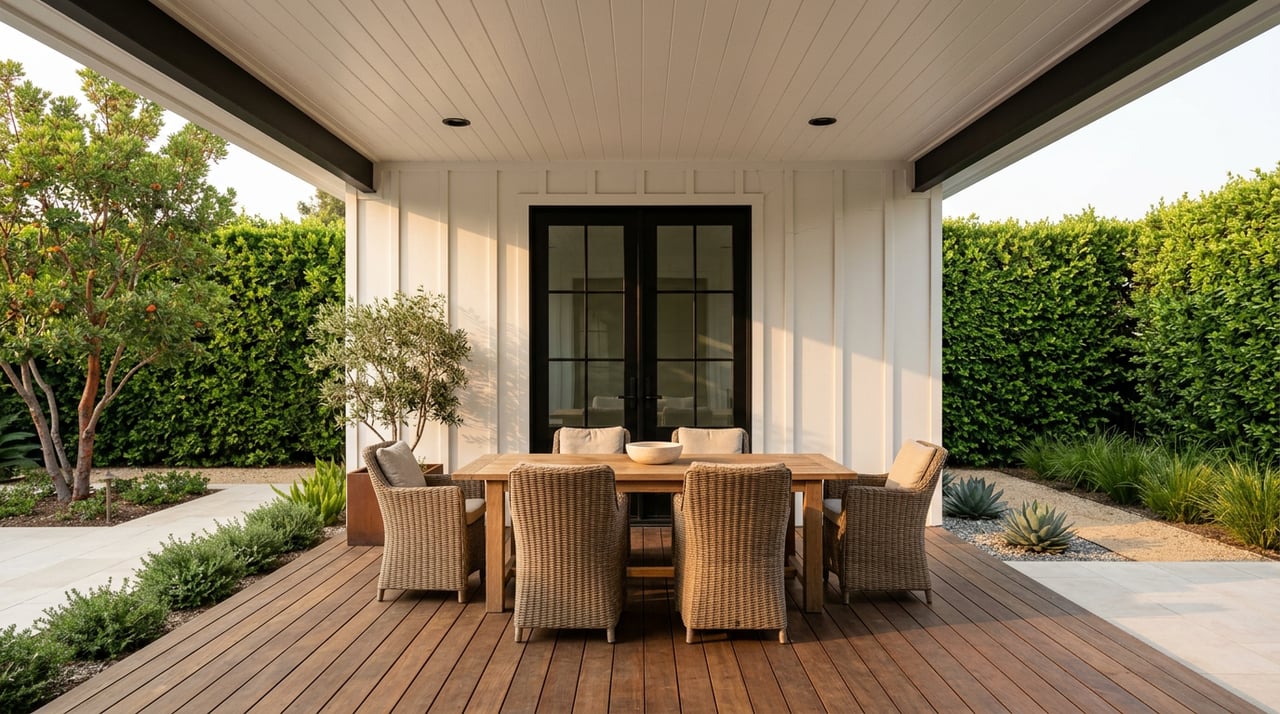
Picture a sunrise tee time with mountain views, a lazy lunch at the clubhouse, and a sunset dip in your own pool. If you are weighing a golf-focused second home in La Quinta, you are likely drawn to the resort energy and quiet desert pace. You may also be wondering about seasonality, costs, memberships, and how daily life actually feels. This guide walks you through the lifestyle, rhythms, and practical decisions so you can decide if a La Quinta golf retreat fits your goals. Let’s dive in.
La Quinta golf lifestyle
La Quinta sits in the Coachella Valley, framed by the Santa Rosa Mountains and a deep golf tradition. You will find private clubs, resort courses, and communities built around fairways and clubhouses. Names you will hear often include PGA West, La Quinta Resort & Club, and The Quarry at La Quinta.
The clubhouse is a social hub. Expect casual and fine dining, fitness centers, tennis and pickleball courts, spa services, and planned social activities. You can build a close circle quickly during the busy season. Off the course, you will enjoy hiking trails, biking routes, boutique shopping in Old Town La Quinta, and a short drive to cultural options throughout the valley.
Seasonal rhythms
Peak season highlights
Late fall through spring is prime time. The weather is mild and sunny, courses are active, and social calendars fill up. Seasonal art festivals, tennis and golf events, and regional happenings keep the area lively.
Off-season reality
Summer heat is intense. You will shift to early morning golf, enjoy indoor amenities, and rely on shaded outdoor spaces and pools. Town quiets down, which can be a plus if you want a slower pace and easy dinner reservations.
Regional events and traffic
Coachella and Stagecoach festivals in nearby Indio create short bursts of visitors and traffic. If you plan to rent your home, these events can influence demand. If you prefer low-key weekends, you will simply plan errands and tee times around them.
Daily comforts and climate
La Quinta has a hot, arid desert climate. Summers often exceed 100 degrees during the day. Winters are comfortable and sunny. Daily life adapts to the seasons.
- Mornings and evenings are your best friends in summer. Early tee times and late patio dinners are common.
- Air conditioning is essential. Many homes have robust HVAC systems sized for desert conditions.
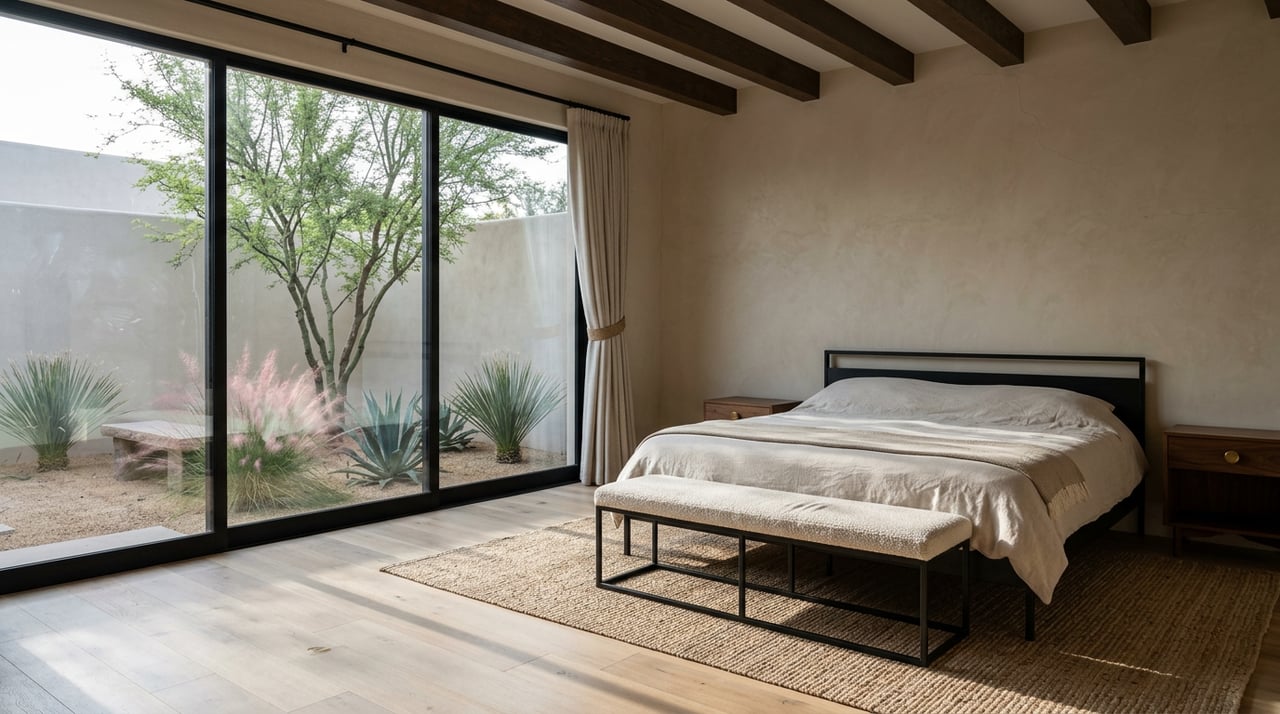
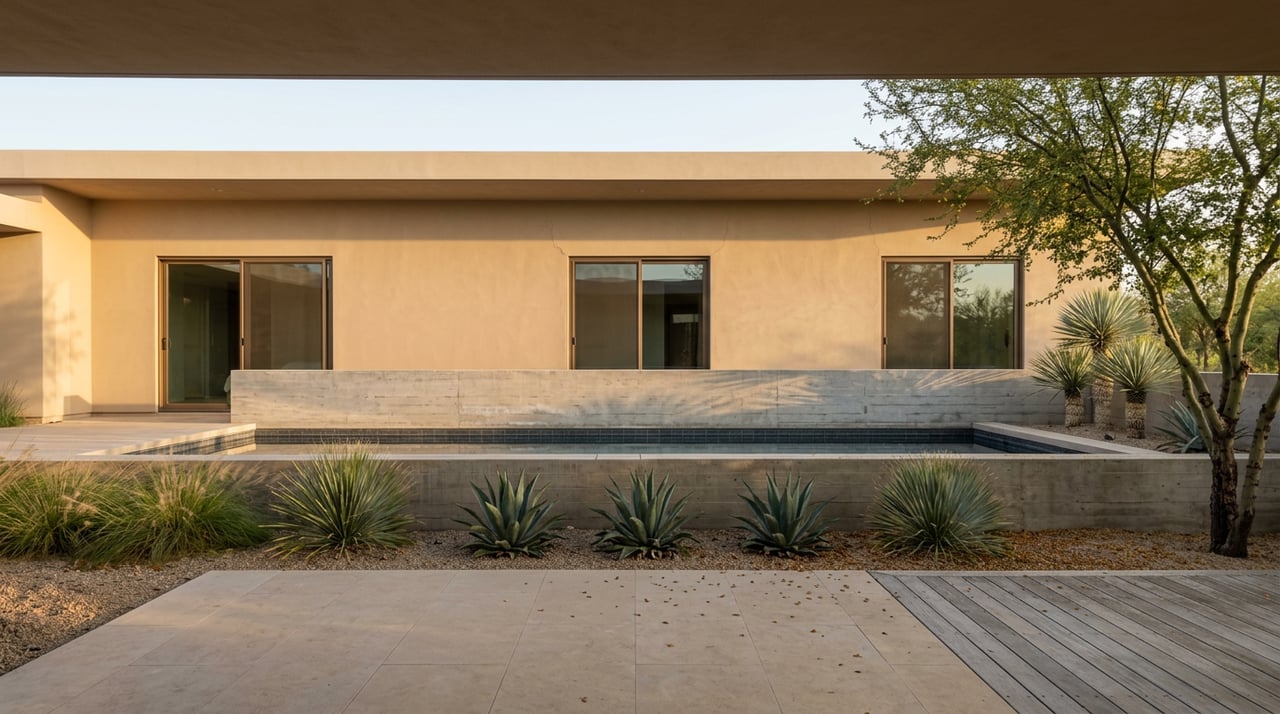
- Pools, spas, shade structures, and misters help extend outdoor living. Desert landscaping and efficient irrigation are standard features.
Home types and clubs
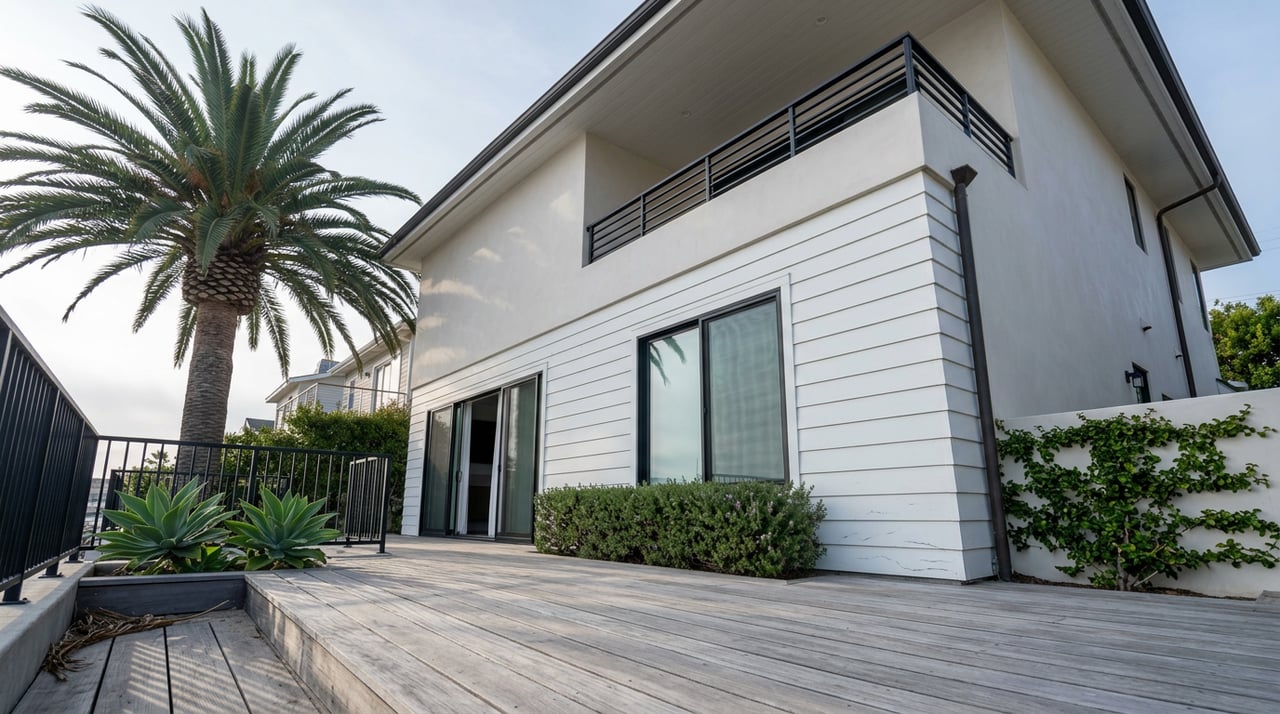
You can choose from hillside custom estates, single-family homes in gated golf communities, condos and townhomes within resort complexes, and some age-restricted developments. Communities vary widely in membership structure.
- Private clubs may offer equity or non-equity memberships. Some ownerships include a membership, others require a separate initiation.
- Public or resort-access courses provide flexibility for occasional play.
- Always confirm whether a membership is included, transferable, refundable, or subject to an initiation fee. Get details in writing before you write an offer.
HOAs, dues, and costs
Owning in a golf community involves recurring expenses. Each community has its own fee structure and service levels.
- HOAs: Monthly dues are common in gated communities. These may cover security, common-area maintenance, landscaping standards, and amenities.
- Club dues: If you plan to play regularly, budget for membership dues in addition to HOA fees.
- Other carrying costs: Riverside County property taxes, homeowners insurance, utilities with higher summer cooling costs, and pool and landscape maintenance.
- Special assessments: Communities sometimes assess for course or clubhouse improvements. Review recent and upcoming projects and the reserve study before you commit.
Water and landscaping
Water conservation is a key part of desert living. Many communities favor drought-tolerant plantings and efficient irrigation.
- Consider xeriscaping to reduce water use and simplify maintenance.
- Courses and developments may use reclaimed or treated water programs where available.
- Stay current on local water-use guidelines and any drought-related restrictions that could affect your landscaping choices.
Rentals and rules
If you plan to rent your home when you are not using it, you will need to evaluate both city and HOA requirements.
- Short-term rental rules vary by jurisdiction, and HOA rules can be stricter than city rules.
- Expect permitting, transient occupancy taxes, safety inspections, and standards for parking and noise.
- Festival periods can increase rental demand. Confirm whether your community permits vacation rentals and what stays are allowed.
Insurance and maintenance
Desert properties face a distinct set of conditions. Planning ahead protects your comfort and your investment.
- Hazards to consider: extreme heat, rare flash floods in washes, wildfire risk in foothill areas, and typical desert wildlife.
- Insurance: Review coverage for wildfire. Flood insurance may be needed if you are near a wash or in a mapped zone.
- Systems to prioritize: HVAC capacity and age, pool heaters and pumps, irrigation controllers, and shade features for outdoor living.
Access and services
La Quinta has convenient access to regional and local amenities.
- Air travel: Palm Springs International Airport is a short drive. Larger airports like Ontario and LAX are reachable in roughly 2 to 3 hours depending on traffic.
- Roads: You have direct links to the I-10 corridor. Traffic increases during major event weekends.
- Daily needs: Old Town La Quinta offers dining and services. El Paseo in nearby Palm Desert adds boutique shopping. Regional healthcare centers, including a major hospital in Rancho Mirage, support full-time and seasonal residents.
Resale and value
In golf communities, value is closely tied to the quality and stability of the course and club model.
- Key value drivers: the prestige of the course, mountain and fairway views, lot orientation and privacy, condition of amenities, HOA financial health, and overall demand for desert second homes.
- Risks to watch: course closures or model changes, deferred maintenance, low HOA reserves, and oversupply of similar homes.
- Seasonality matters: Buyer activity is strongest during the cooler months. Summer can be slower, which can influence days on market and pricing strategies.
Smart buying checklist
Use this quick list to guide your due diligence before you make an offer.
- Membership terms: Is a golf or club membership included with the home, and if so, is it deeded, transferable, refundable, or subject to a separate initiation?
- HOA documents: Review CC&Rs, budgets, reserve studies, recent or planned assessments, and all rental and guest policies.
- Systems and utilities: Verify HVAC age and capacity, pool and spa equipment, irrigation controls, and roof condition. Request utility histories if available.
- Environmental and hazards: Check flood-zone maps, local drainage or wash proximity, and wildfire exposure. Confirm any prior erosion or drainage issues.
- Local rules: Confirm current city rental ordinances, permits, transient occupancy taxes, and any zoning updates affecting golf uses.
- Orientation and views: Evaluate sun exposure, shade potential, mountain and fairway sightlines, and privacy from cart paths or tee boxes.
Is a golf retreat right for you?
If you crave resort-level amenities, a friendly club culture, and warm winter sunshine, La Quinta delivers. You will find year-round golf, a strong social scene in peak season, and easy access to travel, dining, and desert adventures. You will also need to embrace the summer heat and budget carefully for dues, utilities, and maintenance.
The best fit comes when your lifestyle aligns with the seasonal rhythm and the community’s membership model. If you love early tee times, poolside afternoons, and a close-knit seasonal calendar, owning here can feel like a permanent vacation.
Ready to explore communities, compare memberships, and uncover on- and off-market options that match your goals? Connect with Julianne Pierzak for design-forward guidance, careful due diligence, and white-glove coordination from first showing to final keys.
FAQs
La Quinta golf homes: Is golf truly year-round?
- Yes. Courses operate all year. In summer you will prefer early-morning tee times, while most leagues and events concentrate in cooler months.
Short-term rentals in La Quinta golf communities: What should I know?
- Rules vary by city and HOA. Expect permits, transient occupancy taxes, safety checks, and guidelines for parking and noise. Confirm whether your specific community allows vacation rentals.
HOA and club costs for La Quinta golf properties: How much?
- Costs vary widely by community and membership. Budget for HOA dues, club dues, property taxes, insurance, utilities, and maintenance, and review reserve studies and any assessments.
Best time to use a La Quinta golf retreat: When is peak season?
- Late fall through spring offers mild, sunny weather and a full social calendar. Summer is very hot, and most activities shift to mornings and indoor or shaded spaces.
Golf community value and risk in La Quinta: What affects resale?
- Value is influenced by course prestige, views, lot orientation, amenity condition, and HOA finances. Risks include course model changes, low reserves, and deferred maintenance.
Access and services for La Quinta homeowners: What is nearby?
- You have a short drive to regional air service, major freeways to Los Angeles, and a nearby regional hospital, plus shopping and dining in Old Town La Quinta and surrounding cities.